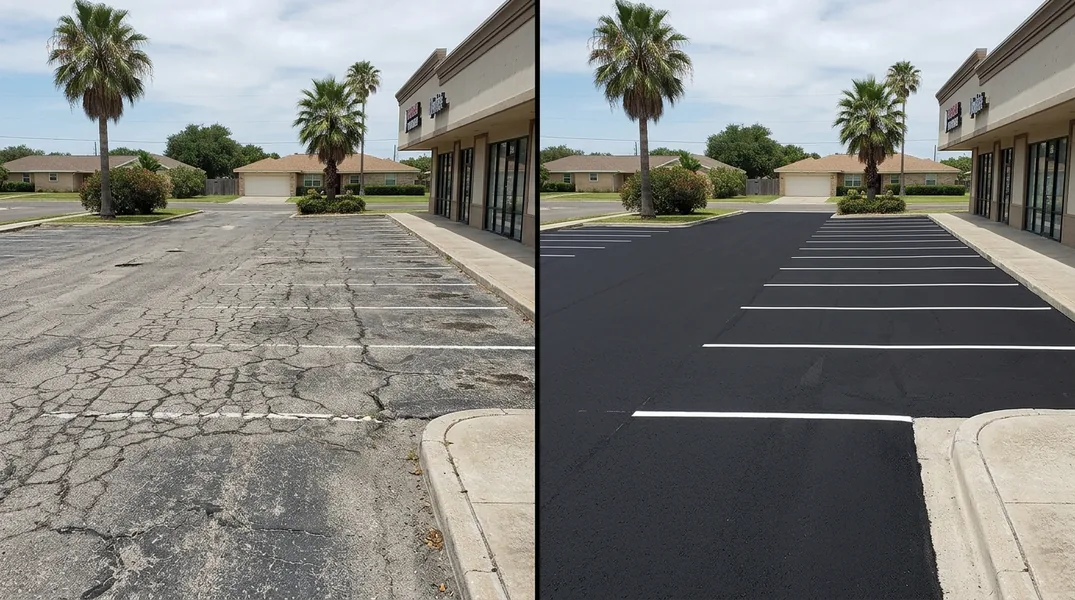
Understanding Your Driveway Options in Corpus Christi
When it comes time to install or replace your driveway in Corpus Christi, you'll quickly discover there's more than one way to pave a surface. Homeowners often find themselves choosing between hot mix asphalt, tar and chip, and recycled asphalt millings, each with distinct advantages and limitations. Understanding the differences between these materials is essential for making an informed decision that aligns with your budget, climate expectations, and long-term maintenance plans.
The coastal climate of Corpus Christi presents unique challenges for any driveway surface. High heat, humidity, salt air, and occasional heavy rains all impact how different materials perform over time. Before diving into the specifics of each option, it's important to recognize that no single solution is universally perfect. Your choice will depend on factors like your property's traffic volume, your willingness to perform regular maintenance, and your financial investment capacity.
Hot Mix Asphalt: The Industry Standard for Durability
Asphalt Driveway Paving & Installation using hot mix asphalt remains the most popular choice for residential driveways across the United States, and for good reason. Hot mix asphalt is a carefully engineered blend of aggregates (stone, sand, and gravel) combined with liquid asphalt cement, heated to approximately 300 to 350 degrees Fahrenheit during installation. This heat allows the material to be compacted properly, creating a dense, smooth surface that bonds together as it cools.
The asphalt driveway lifespan for a properly installed hot mix surface typically ranges from 15 to 20 years, though with regular maintenance, some driveways have lasted 25 years or more. The key to maximizing longevity is addressing small issues before they become major problems. This means filling cracks promptly, applying sealcoat every two to three years, and performing Driveway Repair work as soon as damage appears. Hot mix asphalt also offers superior performance compared to concrete in freeze-thaw cycles, though Corpus Christi's mild winters mean this advantage is less critical locally.
One common question homeowners ask is whether they can install asphalt over concrete driveway surfaces. The answer is yes, though it requires proper preparation. Your concrete base must be clean, structurally sound, and free of significant cracks or heaving. If your existing concrete is deteriorating, laying asphalt over it may only delay the inevitable repair costs. Consulting with a professional is the best way to determine if this approach is viable for your property.
Tar and Chip: An Affordable Alternative with Trade-Offs
Tar and chip, also called chip seal or tar seal, is a less expensive alternative to hot mix asphalt that appeals to budget-conscious homeowners. This method involves spraying a layer of liquid asphalt (tar) onto a prepared base, then immediately spreading stone chips across the surface. As traffic passes over it, the chips embed into the tar, creating a bonded surface that resembles a rustic, aggregate-topped driveway.
The primary appeal of tar and chip is its lower initial cost, typically 30 to 50 percent less than hot mix asphalt pricing. For homeowners with tight budgets or properties with light traffic, this can be an attractive option. However, the trade-offs are significant. Tar and chip driveways typically last only 5 to 7 years before requiring re-application or major repair work. The surface also tends to shed loose stones, leaving gravel in your yard and on the street. During hot summers, the tar can soften and become tacky, and in cooler months, it can become brittle and crack.
Maintenance demands for tar and chip are also higher than many homeowners expect. You'll need to rake and sweep regularly to manage loose stones, avoid using harsh chemicals or salt-based de-icers, and be prepared for dust and debris tracking. Additionally, tar and chip isn't recommended for steep driveways or areas with heavy vehicle traffic, as the surface can rut and deteriorate quickly under stress.
Recycled Asphalt Millings: The Budget Option with Limited Lifespan
Recycled asphalt millings are fragments of old asphalt that have been reclaimed from demolition and resurfacing projects. These millings are loose aggregate mixed with aged asphalt cement, spread and compacted to create a driveway surface. It's the most economical option available, often costing just a fraction of hot mix asphalt installation.
The appeal of recycled millings is primarily financial. For temporary driveways, rural properties, or as a short-term solution, they can serve a purpose. However, they come with substantial limitations. Recycled millings don't truly bind together the way hot mix asphalt does. They remain a loose aggregate surface that requires frequent raking and re-spreading, especially after heavy rain or vehicle traffic. The material will compact over time and may settle unevenly, creating ruts and puddles. Most recycled millings driveways need refreshing every 1 to 3 years, and the material readily scatters onto neighboring properties and streets.
In the humid coastal climate of Corpus Christi, recycled millings present additional challenges. Heavy rains can wash the material away, and the salt air can accelerate the breakdown of the aged asphalt binder. Unless you're willing to commit to frequent maintenance and periodic re-application, recycled millings are best viewed as a temporary solution rather than a long-term driveway investment.
Asphalt vs. Concrete: Which Surface Wins for Corpus Christi Homes?
The debate between asphalt vs concrete driveway options is one every homeowner faces. Concrete offers superior longevity, often lasting 30 to 40 years with minimal maintenance, and it resists the softening effects of heat better than asphalt. However, concrete is also more expensive upfront, typically costing 50 to 100 percent more than hot mix asphalt. Concrete can crack in freeze-thaw cycles and becomes slippery when wet, which is less of a concern in Corpus Christi but worth noting.
Asphalt, by contrast, is more affordable initially and offers a cleaner, more refined appearance. The dark color absorbs heat, which can soften the surface on extremely hot days but also helps melt snow and ice in winter climates. Asphalt is also easier and less expensive to repair. A Pothole Repair & Asphalt Patching project is straightforward and affordable, whereas concrete repairs often require full section replacement. For most Corpus Christi homeowners, hot mix asphalt represents the best balance of cost, performance, and repairability.
Making the Right Choice for Your Corpus Christi Driveway
Choosing between hot mix asphalt, tar and chip, and recycled millings ultimately depends on your priorities. If durability and long-term value matter most, hot mix asphalt is the clear winner. Its 15 to 20 year asphalt driveway lifespan and relatively low maintenance requirements make it the most cost-effective choice over time. If you're looking for the lowest possible upfront investment and don't mind frequent maintenance, tar and chip or recycled millings might work temporarily, but expect to invest in repairs or replacement within a few years.
The condition of your existing surface also matters. If you're considering Asphalt Resurfacing & Overlay work rather than full replacement, a professional evaluation is essential. A skilled contractor can assess whether your current base is suitable for resurfacing or if a complete replacement is necessary for optimal results.
Before making your final decision, we recommend getting a free estimate from a qualified local contractor who understands the unique demands of the Corpus Christi climate. Corpus Christi Asphalt Paving has served the local community for years, and our team can provide honest guidance about which option best suits your property and budget. Call us at (361) 371-4726 to discuss your driveway needs today.
Looking for a professional asphalt paving contractor in Corpus Christi? Corpus Christi Asphalt Paving responds fast for all your asphalt paving needs.
Get a Free Quote